
If you’re an Amazon agency, software provider, product sourcing company, or even a brand aggregator, chances are your target customers are Amazon sellers. But finding them? That’s the real challenge.
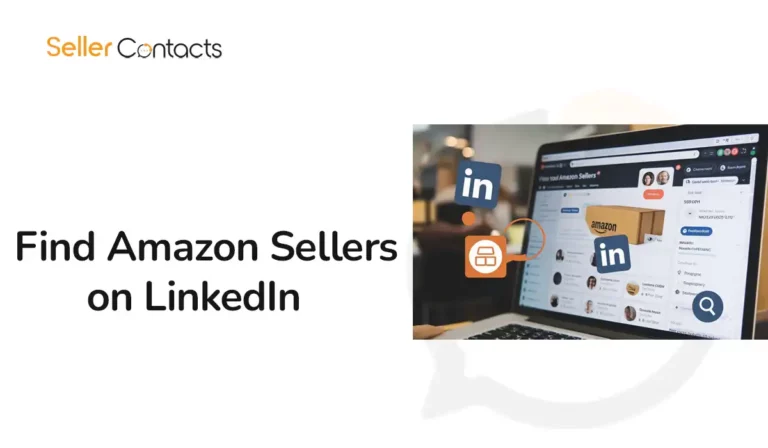
You might start with seller marketplaces, storefront scraping, or seller databases—but there’s another platform most overlook: LinkedIn.
At first glance, LinkedIn might seem like the wrong place to look for Amazon sellers. It’s known for B2B networking, job hunting, and corporate connections. But here’s the thing: thousands of Amazon sellers list their businesses, roles, or interests on LinkedIn. Especially serious ones. The types who are open to new tools, agency services, and even acquisition conversations.
And that’s exactly why LinkedIn can be a goldmine, if you know how to dig.
LinkedIn gives you something no other database offers: direct access to real people, their company pages, and their professional context. It’s not just an email or a storefront link. It’s a human profile, complete with:
And when you connect with them, your message doesn’t go into a spam filter. It lands right in their inbox.
That said, LinkedIn isn’t built for this. You can’t just type “Amazon seller” into the search bar and get clean, qualified results. That’s where the work begins.
Most people don’t know this, but LinkedIn supports Boolean operators in search. That means you can mix keywords and phrases to get more refined results.
Try searching:
Use the “People” filter to narrow it down. You can also filter by location, industry, or current company.
Still, this process isn’t perfect. You’ll get a mix of:
You’ll need to open profiles one-by-one to verify.
Search for groups with names like:
Once you join, you can look at the member list and filter by job title or activity. Some sellers are active, posting updates or asking for help. Others are just lurking.
It’s a slow method—but it can help you find engaged sellers, especially if you’re looking to build relationships or offer value.
When you find a promising profile, look deeper.
Sellers might not always write “Amazon Seller” in their headline. But phrases like:
…are good indicators.
Check the About section and Experience fields. Some mention their product niches, marketplaces they sell on (Amazon US, EU, etc.), and even revenue milestones.
This manual digging helps—but it’s time-consuming.
Let’s say you want to build a list of 100 verified Amazon sellers for outreach.
If you’re doing it by hand on LinkedIn, expect to spend 4 to 6 hours minimum. That’s assuming you:
Even after all that, you still won’t have email addresses, product links, or verified ASIN data. And many won’t respond to cold LinkedIn requests.
So what’s the smarter option?
This is where Seller Contacts saves you hours—and gives you cleaner, more verified results.
Instead of guessing who’s actually selling on Amazon, Seller Contacts gives you access to over 3 million verified Amazon sellers across marketplaces. What makes it different is that you’re not just getting a random list of emails. You’re getting:
You can literally search for Beauty brand owners selling on Amazon US with more than 100 reviews, and get a filtered list with emails and LinkedIn URLs.
Here’s how it compares:
| Feature | Manual LinkedIn Search | Seller Contacts |
| Time to Find 100 Sellers | 4–6 hours | <5 minutes |
| Verified LinkedIn Profiles | ❌ | ✅ |
| Email Addresses | ❌ | ✅ |
| Amazon Sales Data | ❌ | ✅ |
| Exportable Lead Lists | ❌ | ✅ |
| Advanced Filters (e.g., reviews, category) | ❌ | ✅ |
Finding sellers is only half the game. The next step? Outreach that gets responses.
If you’re connecting on LinkedIn:
If you’re using email:
If you’re still set on building your own list from LinkedIn—whether for more control or tighter targeting—there are tools that can help cut down the manual labor.
This is LinkedIn’s paid lead generation tool. With it, you can use filters like:
You can save leads, get alerts when they post, and export them into your CRM with third-party tools.
But here’s the catch: Sales Navigator still won’t verify if someone is actively selling on Amazon. You’ll have to manually check for that—or use an external database to connect the dots.
Once you find the right people, you’ll often want their email address, especially if they’re not accepting DMs.
That’s where tools like:
…come into play. These tools can pull email addresses based on the LinkedIn profile or domain.
But again: these tools give you contact info—not Amazon storefront links, ASINs, or seller performance data.
Which is why for Amazon-specific prospecting, Seller Contacts remains the most complete option. It combines LinkedIn-level identity with Amazon-level data in one place.
Here’s something many agencies and tools miss: Sellers don’t always respond in one channel.
Some founders live in their LinkedIn inbox. Others ignore it completely and focus on email. A few might be active in both—but with different behaviors.
So the most effective outreach strategy? Use both LinkedIn + email.
Start by:
Pro Tip: If your emails mention something they just posted on LinkedIn, response rates can double. It shows you did your research and aren’t just blasting a cold list.
Let’s be clear: LinkedIn isn’t perfect for finding Amazon sellers, but it plays an important role—especially for relationship-building and personalized outreach.
If you’re trying to go from:
…then combining Seller Contacts + LinkedIn is the way forward.
With Seller Contacts, you don’t have to guess who’s actually selling. You get a full picture:
And when you connect on LinkedIn, you’re doing so with context. You know what they sell, how well they’re doing, and what pain points they might have.
That’s not just prospecting. That’s smart selling.
Let Seller Contacts do the heavy lifting.
→ Explore Seller Contacts now and unlock 3M+ verified seller leads