
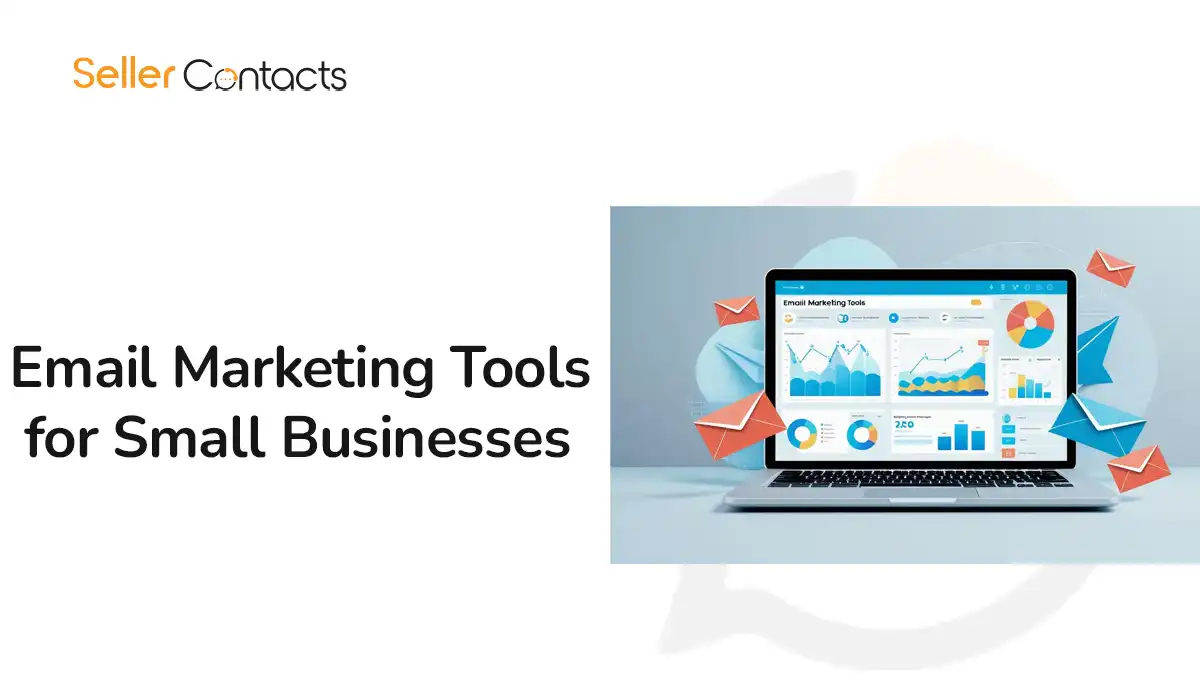
Email marketing isn’t dying — it’s thriving.
In 2025, it’s still one of the most cost-effective and scalable tools small businesses can use. According to the Data & Marketing Association (DMA), email delivers an average ROI of $36–$42 for every $1 spent — far outpacing most other marketing channels.
Yet, many small business owners hesitate.
They think it’s too technical. Too expensive. Or that social media has replaced it.
But here’s the truth: email gives you ownership.
You don’t have to fight algorithms. You don’t rent space on someone else’s platform.
For Amazon and Shopify sellers, email is critical for:
And with modern email tools, it’s easier and more affordable than ever before.
Small business budgets are tight. But email is forgiving.
Most platforms offer free plans with generous features. And once you’re ready to scale, plans typically start as low as $9–$20/month. The return? Potentially thousands — if not tens of thousands — in long-term revenue.
Unlike Instagram followers or Amazon customers — your email list is yours.
No platform can suddenly throttle your reach or delete your followers. With email, you’re building a direct line to your customers that nobody else controls.
Email lets you send content that actually matters to people.
Think:
Personalized emails can lift transaction rates by up to 6x, according to Experian.
Email works throughout the customer journey:
It’s not just one touch — it’s the ongoing rhythm of customer engagement.
When people love your brand, they come back.
Email helps create “insider” experiences — think VIP clubs, early-bird offers, or loyalty points. These aren’t gimmicks. They turn one-time buyers into brand advocates.
Email is not a silo. It boosts:
Used right, it becomes a hub for all your marketing efforts.
Over 70% of emails are opened on mobile, per Litmus data.
That means you’re not just in their inbox — you’re in their hand.
It’s not just about features. It’s about how easy those features are to use.
The best tools today come with:
If you can use Canva, you can build an email.
Start free. Scale up.
Whether you’re sending 500 emails or 50,000, the platform should grow with your business without forcing you into expensive upgrades early.
You shouldn’t need to be a coder or data scientist.
Look for visual workflows, recipe-based automations, and natural language prompts like:
“Send a thank-you email when someone makes a second purchase.”
Integration is key.
You want seamless connections with:
The more your tools talk to each other, the smarter and faster your campaigns.
Can you see who opened, clicked, and converted?
Can you trace how much revenue came from each email?
A good platform should give you this in seconds — with no need for spreadsheets.
Especially if you sell in the EU or serve global buyers, GDPR compliance isn’t optional.
Ensure your email tool supports:
Now let’s dig into what features you should expect — and not compromise on.
Modern email tools let you:
It’s not about creativity — it’s about speed and effectiveness.
Every sale or interaction can spark a sequence:
Behavior-based triggers like “opened but didn’t click” or “browsed but didn’t buy” can boost conversion rates dramatically.
The gold isn’t in the list — it’s in the segmentation.
Smart email tools let you:
This ensures that the right message hits the right person every time.
Open rates are useful — but revenue attribution is better.
You should be able to:
If your emails aren’t being seen, nothing else matters.
Good tools help you:
Email starts with capturing subscribers.
Look for tools that support:
Some tools let you go beyond email with:
Not essential — but helpful if you run cross-platform campaigns.
Now let’s talk about you — the seller.
Not every email platform understands the needs of Amazon FBA or Shopify sellers. But the good ones do. And they offer:
Some even let you build product recommendation blocks, either based on order history or powered by AI.
And if you use Seller Contacts, you can take this even further.
You can segment based on:
This lets you build laser-targeted campaigns that speak directly to the right audience.
Choosing the right email marketing tool isn’t just about features — it’s about fit.
If you’re a small eCommerce seller, you likely don’t need enterprise-grade software on day one. But you do need something reliable that grows with you, integrates easily, and doesn’t get in your way.
If you’re just starting out — launching your first products or exploring Shopify and Amazon selling — look for tools with free plans and essential automation. MailerLite or Omnisend might be a perfect entry point.
If you’re scaling — running campaigns, building lists, and seeing 5–6 figure revenue — tools like ActiveCampaign, Klaviyo, or GetResponse give you room to grow without changing systems.
Are you selling one-off physical products, consumables, or subscriptions?
Product type often shapes your workflows. For example, consumables benefit from reorder reminders and subscription prompts, while high-ticket physical goods do well with post-purchase education sequences and review request flows.
If SMS is part of your strategy, choose a platform that includes it natively — like Brevo or Omnisend.
If you’re running Facebook/Google ads, pick a tool that syncs audiences for retargeting — Klaviyo, Mailchimp, and ActiveCampaign all support this.
Your email tool should integrate with what you already use — Shopify, WooCommerce, Amazon (via third-party tools), CRMs, Zapier, and more.
Avoid isolated tools that require constant CSV exports.
Nearly every platform offers a free tier or trial. Use that to build a test flow, send a few campaigns, and explore the UI.
What works in theory may feel clunky in practice. You’ll know within a week if it’s intuitive enough to scale with.
Here’s a comparative snapshot of the best platforms for eCommerce and Amazon-focused small businesses:
| Tool | Best For | Free Plan | Standout Feature | Pricing Starts |
| MailerLite | Beginners, low budgets | ✅ | Full automation even on free tier | $10/mo |
| Brevo | SMS, WhatsApp + budget-conscious | ✅ | Multi-channel marketing on a budget | $25/mo |
| ActiveCampaign | Advanced automation + CRM | ❌ (trial only) | Powerful visual automation & CRM | $19/mo |
| Omnisend | E-commerce, Shopify | ✅ | Pre-built ecommerce automation flows | $16/mo |
| Klaviyo | Scaling DTC brands | ✅ | AI product suggestions, great Shopify tie-ins | $20/mo |
| Moosend | SMBs growing fast | ✅ | Smart segmentation, clean interface | $9/mo |
| GetResponse | Funnel builders + email marketing | ✅ | Landing pages, funnels, webinars | $17/mo |
| Mailchimp | Generalist, freelancers | ✅ | Broad feature set, basic ecommerce tools | $13/mo |
| Drip | Ecommerce CRM | ❌ | Ecommerce-specific automation workflows | $39/mo |
| HubSpot | All-in-one for small teams | ✅ | CRM + email + lead nurturing | $50/mo |
Note: Pricing is accurate as of early 2025 and subject to change.
Email marketing becomes significantly more powerful when paired with rich audience intelligence. That’s where Seller Contacts becomes a secret weapon for eCommerce professionals.
Instead of guessing who to target, you can use real data about Amazon and other online sellers to drive precision outreach.
If you’re selling to sellers — whether offering services, tools, wholesale deals, or marketing partnerships — combining Seller Contacts with email automation gives you a precise, scalable channel for growth.
Even the best platform won’t save a poorly executed email strategy. These best practices help you build trust, retain engagement, and drive revenue:
Buying random lists is a shortcut to spam folders and legal trouble. Always collect emails through opt-in forms, popups, or customer checkout.
Don’t blast your entire list with the same message. Customize by product interest, order history, geography, or engagement level. This increases open rates and conversions.
Over 70% of users open emails on mobile. Keep paragraphs short, fonts readable, and CTAs large and tappable.
Often, minor tweaks make major impact. Test different subject lines, email lengths, visuals, and calls-to-action.
Don’t obsess over open rates alone. Focus on revenue per email, click-through rates, and conversion rates tied to product purchases.
Think beyond promotions. Share helpful guides, behind-the-scenes content, review requests, customer stories, and new product drops.
If you’re sending 3–4 emails a week, make sure each one has a reason to exist. Relevance beats frequency.
In a landscape dominated by rising ad costs and algorithm changes, email marketing remains one of the few assets you truly own.
For Amazon and Shopify sellers alike, email lets you:
The tool you choose matters — but consistency matters even more. Find a platform that makes it easy for you to show up in inboxes regularly. Start small, optimize as you grow, and always prioritize your customer experience.
And if you’re selling to other sellers — tools, services, partnerships — then Seller Contacts gives you the audience data you need to make email your most efficient B2B channel in 2025.