
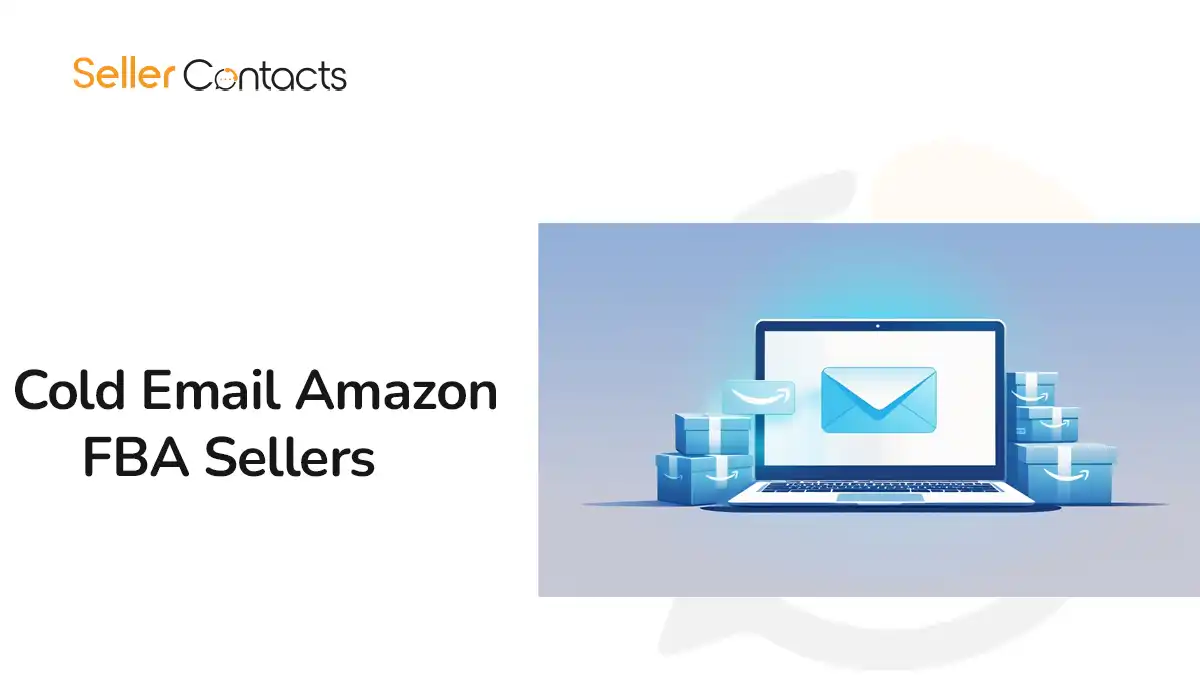
Cold emailing Amazon FBA sellers can be a powerful growth strategy for agencies, SaaS companies, and service providers. However, the reality is that most cold emails go ignored because they feel generic, impersonal, and overly salesy. Sellers are bombarded with outreach daily, making it harder than ever to stand out.
The solution? A smarter, data-driven approach that focuses on targeting the right sellers, crafting compelling emails, and following up effectively. Instead of sending mass emails and hoping for the best, businesses should prioritize relevance, personalization, and value upfront. In this guide, we’ll break down why most cold emails fail, how to identify high-potential Amazon sellers, and what email strategies actually work.
Amazon sellers, especially those running six and seven-figure businesses, receive dozens of cold emails every week from PPC agencies, product sourcing companies, logistics providers, and software vendors. Most of these emails look something like this:
The problem? These emails are generic and fail to show any understanding of the seller’s business. Without a compelling reason to engage, sellers ignore them or mark them as spam.
Here’s why these emails fail:
If you want better response rates, your emails need to break this pattern by being personalized, valuable, and low-friction.
Sending emails at scale is useless if you’re reaching the wrong sellers. Instead of blindly cold-emailing thousands of sellers, a more effective strategy is to identify high-intent sellers who actually need your service.
Different types of Amazon sellers have different needs. The key is to segment them based on business model, revenue, and growth stage so you can tailor your pitch accordingly.
Using Seller Contacts, a database of Amazon and eCommerce sellers, you can filter sellers based on revenue, product category, and location to reach only the most relevant leads.
For example:
By pre-qualifying sellers before reaching out, you can avoid wasting time on low-quality leads and focus on those most likely to respond. This increases reply rates, lowers spam complaints, and leads to higher conversion rates.
Most sellers decide whether to read an email within three seconds. If your subject line and opening sentence don’t grab attention, your email will get deleted.
Bad Example:
“Hey, we help Amazon sellers scale. Let’s chat!”
➡ Too vague and generic.
Good Example:
“John, I saw your XYZ product on Amazon—quick tip to boost conversions by 15%.”
➡ Personal, specific, and offers immediate value.
A winning cold email follows a simple yet effective structure:
Subject: John, quick idea for your Amazon listing
Hi John,
I came across your [Product Name] on Amazon—impressive reviews! Noticed something on your listing that could improve conversions by 15% (especially on mobile).
We’ve helped similar brands optimize this and see real results. Happy to share insights—would a quick 5-min chat be useful?
Best,
[Your Name]
Why This Works:
Using this structure, many businesses have seen reply rates increase by 3X or more compared to traditional cold outreach.
To successfully cold email Amazon FBA sellers, targeting the right leads, crafting compelling messages, and following up consistently are crucial. Using Seller Contacts, you can access accurate, filtered Amazon seller data to ensure you’re reaching high-intent prospects. This means higher reply rates, more conversions, and better ROI on your outreach efforts.
Start using smarter, data-driven cold email strategies today and watch your response rates improve.