

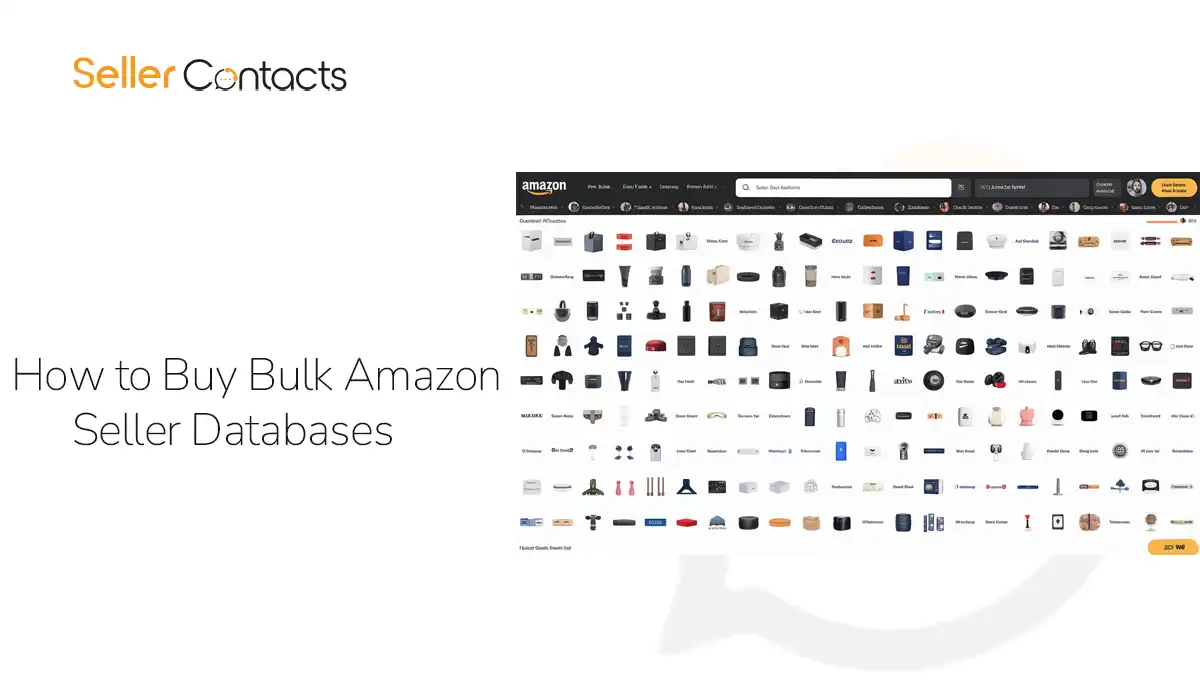
The eCommerce world thrives on data, and for sellers and businesses aiming to scale, buying bulk Amazon seller databases can provide a significant edge. These databases offer essential insights into Amazon sellers, helping you identify potential leads, partners, or competitors. However, to maximize their value, you need to understand what to look for, where to buy, and how to integrate them into your business strategy.
This article breaks down everything you need to know about purchasing bulk Amazon seller databases, ensuring you make an informed and profitable investment.
A bulk Amazon seller database consolidates critical information about sellers on the platform, such as their product categories, performance metrics, and contact details. This data is crucial for:
By purchasing these databases in bulk, you’re not just getting isolated snapshots—you’re accessing a wealth of information that can empower your business decisions.
Not all databases are created equal. When evaluating your options, prioritize these features to ensure quality and usability:
1. Volume of Data
The primary advantage of a bulk database is its size. Ensure the database contains thousands or even millions of entries, covering sellers across a wide range of categories, markets, and regions.
2. Advanced Filtering Options
A high-quality database should allow you to filter and segment data by key criteria, such as seller rating, revenue, product category, and location. This enables you to target the sellers most relevant to your goals.
3. Geo-Location Data
Access to map-based or geo-location data can be a game-changer, especially if you’re looking to target sellers in specific regions or markets.
4. Regular Updates
Outdated information is virtually useless. Choose databases that are updated frequently to maintain accuracy.
5. Data Accuracy and Verification
Look for providers that validate their data through multiple sources, ensuring it’s over 99% accurate and reliable.
There are several options available for purchasing these databases, from subscription-based platforms to one-time purchase providers. However, not all sources are trustworthy. Reliable providers not only offer accurate data but also support tools to help you use it effectively.
If you’re looking for the ultimate solution, SellerContacts is the leading provider of bulk Amazon seller databases. Here’s why:
Step 1: Define Your Objectives
Before purchasing a database, outline your goals. Are you looking to pitch products to sellers, analyze market trends, or identify suppliers? Knowing your purpose will help you filter and target the right sellers.
Step 2: Evaluate Database Providers
Compare providers based on the features listed earlier. Check reviews, request demos, and ensure the provider offers transparency about their data sources.
Step 3: Leverage Free Trials or Samples
Many providers, including SellerContacts, offer free trials or sample datasets. Use these to evaluate the quality, usability, and relevance of the data.
Step 4: Purchase and Integrate the Database
Once you’ve chosen a provider, proceed with the purchase and integrate the data into your CRM or analytics tools. SellerContacts, for example, offers seamless export options compatible with major platforms.
Step 5: Analyze and Act on the Data
After obtaining the database, use the advanced filtering options to extract actionable insights. Whether you’re running a targeted marketing campaign or scouting suppliers, this step ensures maximum ROI.
Yes, as long as the data is collected and sold in compliance with local privacy laws and regulations. SellerContacts adheres to all legal standards to ensure ethical data usage.
Prices vary based on the size and features of the database. SellerContacts offers flexible pricing plans tailored to businesses of all sizes.
Absolutely. Bulk databases are valuable for businesses at all stages, providing the insights needed to identify opportunities and scale effectively.
For those looking to succeed in the competitive eCommerce landscape, a bulk Amazon seller database is not just a tool—it’s a necessity.