
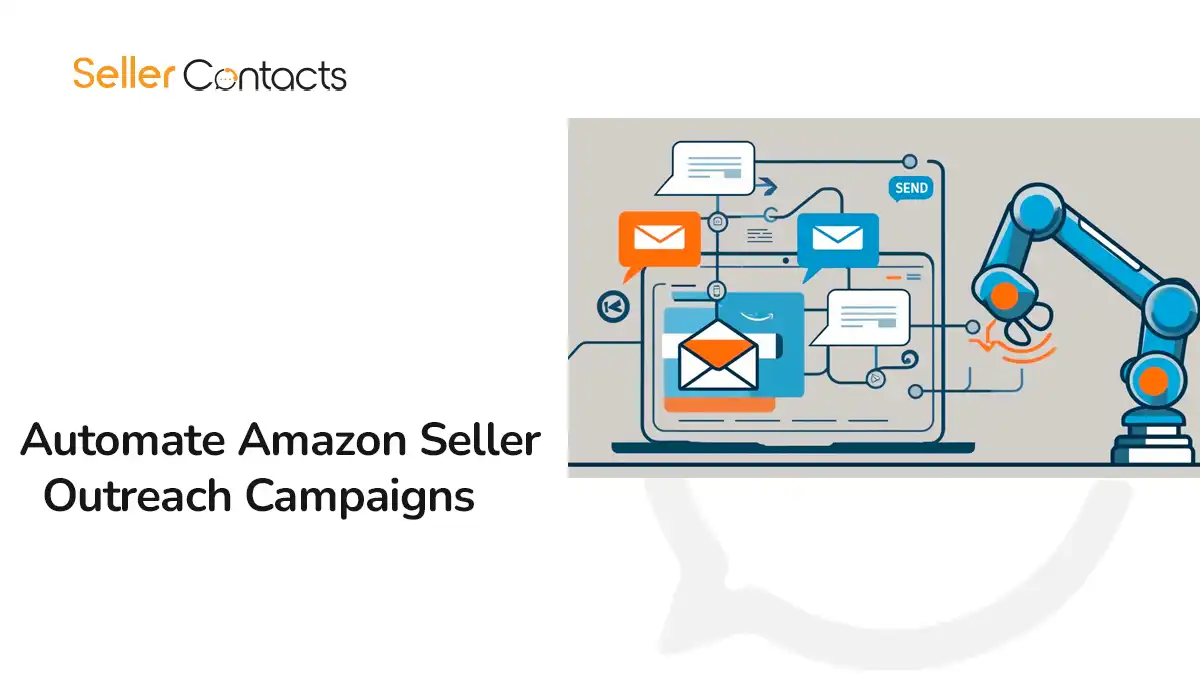
Automation changes everything. With the right tools and strategies, businesses can scale their outreach, personalize messages at scale, and improve engagement rates without wasting hours on repetitive tasks. Instead of sending one email at a time or struggling to track replies, an automated system ensures messages reach the right sellers at the right time, increasing the chances of conversion.
This guide covers everything you need to know about automating Amazon seller outreach. From building a high-quality seller database to setting up email sequences and tracking campaign performance, you’ll learn how to streamline your approach and maximize results.
Amazon seller outreach refers to the process of contacting Amazon sellers for business-related opportunities. This could mean offering a service like PPC management, software solutions, or wholesale partnerships.
Companies targeting Amazon sellers typically fall into three categories:
Regardless of the business model, outreach remains an essential part of acquiring new clients or partners.
Many businesses start with a manual approach, using spreadsheets to track contacts and sending individual emails. At first, this may seem manageable. But as outreach scales, issues quickly arise:
Automation solves these problems by improving efficiency, ensuring timely follow-ups, and increasing response rates through personalization.
Businesses that automate outreach can send hundreds or thousands of personalized emails while tracking responses in real time. This means:
A fully automated system includes several core elements:
With these components in place, outreach efforts become more structured, scalable, and effective.
The first step in any outreach campaign is having access to accurate seller data. Manually searching for Amazon sellers is inefficient and unreliable. Instead, businesses should use dedicated databases like Seller Contacts, which offer:
Having a pre-vetted list ensures that outreach efforts aren’t wasted on inactive or irrelevant sellers.
A successful campaign starts with clear goals. Are you looking to book calls, promote a SaaS solution, or secure wholesale orders? Once the goal is set, sellers should be segmented based on factors like:
Segmentation ensures that outreach messages are relevant, increasing the likelihood of engagement.
Personalization is key. Instead of generic emails, outreach should include:
A/B testing different subject lines and message structures helps determine what works best.
Most sellers won’t reply to the first email. This is where automation makes a difference. A well-structured email sequence follows this pattern:
| Timing | Purpose | |
| Initial Email | Day 1 | Introduce your service and value proposition |
| Follow-up 1 | Day 3 | Remind and reinforce the benefits |
| Follow-up 2 | Day 7 | Add social proof or a limited-time offer |
| Final Email | Day 14 | Last chance to respond before closing the conversation |
Tools like Woodpecker and Mailshake allow businesses to schedule these follow-ups automatically, ensuring no lead is forgotten.
Once responses come in, they need to be categorized:
AI-powered tools can also suggest replies based on past conversations, making it easier to handle large volumes of inquiries.
Without performance tracking, outreach campaigns can’t improve. Businesses should monitor:
Using dashboards in tools like HubSpot or Pipedrive, businesses can refine subject lines, tweak messaging, and adjust email timing for better results.
With a structured outreach system in place, the next step is selecting the right automation tools. The market offers various platforms designed to streamline email campaigns, manage leads, and analyze performance. Here are some of the best tools for automating Amazon seller outreach.
A high-quality seller database is the backbone of any outreach campaign. Instead of scraping Amazon manually, businesses should use verified sources like:
Sending emails manually isn’t scalable. The following platforms enable businesses to send personalized, automated email sequences:
These tools ensure emails reach inboxes, reduce manual work, and increase response rates.
Once responses start coming in, they need to be managed efficiently. A Customer Relationship Management (CRM) tool tracks interactions, schedules follow-ups, and categorizes leads. Some top choices include:
A good CRM prevents leads from slipping through the cracks and ensures timely engagement.
Measuring success is critical for improving outreach campaigns. These tools help track email performance and refine strategies:
By analyzing open rates, response rates, and conversion rates, businesses can tweak their messaging and outreach cadence for better results.
While automation is powerful, poorly executed campaigns can still fail. To maximize success, businesses should follow these best practices:
Automated emails are useless if they land in spam. To improve deliverability:
Amazon sellers receive hundreds of generic emails. Stand out by using dynamic fields that reference:
Long, overly detailed emails get ignored. Instead:
Outreach is not a set-it-and-forget-it process. Regularly:
Email is effective, but multi-channel outreach works even better. Consider:
By combining these strategies, businesses can create a well-rounded outreach system.
Manually reaching out to Amazon sellers is no longer a viable option for businesses looking to scale. Automation tools allow companies to streamline the process, improve response rates, and close more deals—without spending endless hours on repetitive tasks.
By leveraging a high-quality seller database like Seller Contacts, using email automation tools for follow-ups, and tracking performance metrics, businesses can build a powerful outreach engine that continuously generates leads and opportunities.