


Amazon’s marketplace remains one of the most dynamic ecosystems in e-commerce. With over 6.3 million active sellers globally as of late 2024, it has become a hub of innovation, competition, and opportunity. For service providers, suppliers, and B2B businesses, connecting with Amazon sellers is no longer a choice, it’s a necessity. But how can you effectively reach this diverse group?
This article explores proven strategies to engage Amazon sellers effectively, offering insights that address their pain points, leverage their strengths, and build long-term relationships.
The Amazon marketplace has grown exponentially over the past decade, with third-party sellers now contributing to more than 60% of total sales on the platform. This growth is driven by a surge in private-label brands, small businesses tapping into global markets, and even large-scale distributors.
For B2B service providers, this represents a massive opportunity. Sellers are increasingly looking for innovative solutions to scale operations, manage logistics, enhance product listings, and outpace competitors. For instance, the rising fulfillment fees for FBA (Fulfillment by Amazon)—which increased by an average of 5.2% in 2024—have created demand for alternative logistics providers and tools to optimize storage costs.
However, reaching these sellers isn’t without its challenges. Sellers operate in a high-pressure environment, often juggling inventory management, advertising, and customer service simultaneously. Approaching them with generic pitches is unlikely to work. Instead, you need to offer actionable solutions that directly align with their goals.
Data is your most powerful ally in identifying and targeting Amazon sellers effectively. With platforms like SellerContacts, Jungle Scout, Helium 10, and Keepa, businesses can access seller performance metrics, market trends, and product niches. These tools allow you to:
By using this data, you can craft tailored pitches, showing sellers how your solutions address their specific pain points.
Engaging sellers where they already network is another powerful strategy. Amazon-specific events, such as the Prosper Show or Amazon Accelerate, bring together thousands of sellers every year. These are ideal venues to:
In addition to in-person events, online forums and communities like Amazon Seller Central forums, Facebook groups, and LinkedIn communities are invaluable. These platforms allow you to engage in meaningful discussions, establish credibility, and position yourself as a valuable resource.
Amazon sellers are hungry for knowledge, especially when it helps them navigate the complexities of selling on such a competitive platform. Creating educational content tailored to their needs can be a game-changer. Consider producing:
For example, a logistics provider could offer a free ROI calculator that helps sellers compare the costs of using FBA versus third-party fulfillment. Such tools not only provide value upfront but also demonstrate your commitment to solving their problems.
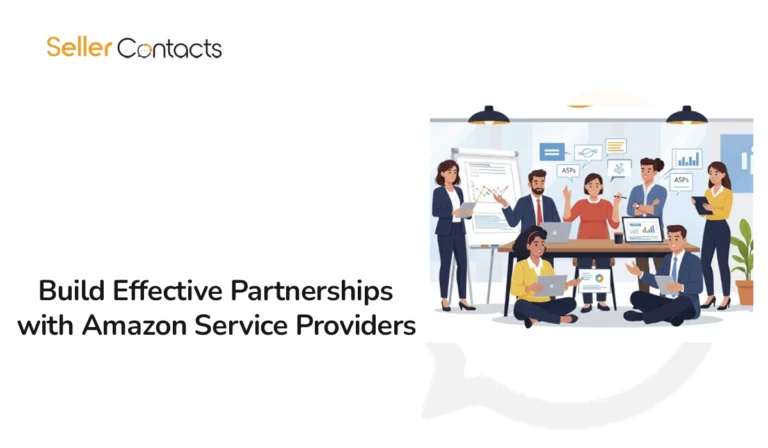
Collaboration is a smart way to establish credibility and expand your reach. By partnering with trusted Amazon service providers, such as fulfillment centers, PPC management agencies, or listing optimization experts, you can tap into an existing network of sellers who already trust these providers.
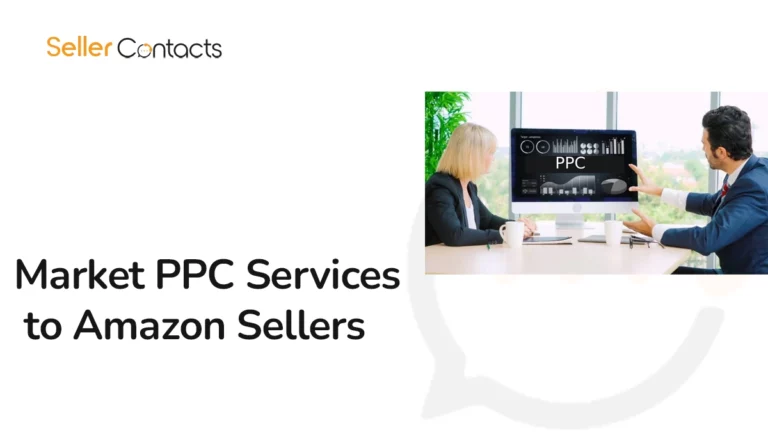
For instance, a partnership with a company specializing in Amazon PPC could allow you to bundle services, offering sellers a one-stop solution for both advertising and logistics needs. Mutual referral agreements can further amplify your reach, ensuring a steady stream of high-quality leads.
Email remains one of the most effective ways to reach Amazon sellers, but generic campaigns won’t cut it. Instead, focus on personalized messaging that resonates with their specific challenges and goals. For example:
According to a 2024 study by HubSpot, personalized emails drive 18% more conversions than generic ones. Ensure that your emails are tailored based on the seller’s niche, revenue scale, and geographic location for maximum impact.
Social media platforms, particularly LinkedIn, Instagram, and even TikTok, are increasingly popular among Amazon sellers. LinkedIn is ideal for connecting with larger, more established sellers, while Instagram and TikTok can be used to engage smaller sellers with visual content.
For example, sharing a short video on TikTok showcasing a seller success story or an infographic on Instagram detailing tips for better Amazon ad campaigns can spark interest. These platforms also allow for targeted ads, ensuring your content reaches the right audience.
Amazon sellers are inundated with offers daily. Sending a generic email or message like “We can help you grow your business” is unlikely to make an impact. Sellers want specific solutions to their problems. Failing to research their business and tailor your approach is a surefire way to lose their interest.
Reaching Amazon sellers requires a solid understanding of the platform’s policies, fees, and dynamics. Sellers are constantly navigating changes in FBA fees, advertising rules, and seller performance metrics. If your pitch doesn’t acknowledge these pain points, it might come across as tone-deaf.
According to a 2024 survey by HubSpot, 60% of successful deals require at least five follow-ups. However, many businesses abandon outreach after just one or two attempts. Consistent and polite follow-ups can make a significant difference in converting leads.
Tools like Helium 10, Jungle Scout, and LinkedIn Sales Navigator are excellent for finding sellers. Additionally, joining Amazon-specific forums and attending seller conferences can help you build direct connections.
Tailor your pitch based on the seller’s niche, pain points, and goals. For example, a pitch to a seller in the beauty category should address challenges like product differentiation and customer retention.
One common mistake is failing to understand the seller’s business model. A generic approach that doesn’t consider their unique challenges will likely be ignored.
SellerContacts is a premier database providing accurate, information-rich, and highly customizable seller data for Amazon, Shopify, and other e-commerce platforms. Designed for businesses seeking precision, it offers geo-location-based targeting, enabling you to connect with sellers in specific regions or niches.
With regular updates and unmatched accuracy, SellerContacts ensures you access the latest, most relevant insights to drive your outreach campaigns. Whether you’re targeting mid-level sellers or enterprise-level accounts, the platform’s customization features empower you to filter data based on your unique needs, saving time and maximizing impact.
Unlock seller insights with SellerContacts and supercharge your e-commerce partnerships.