

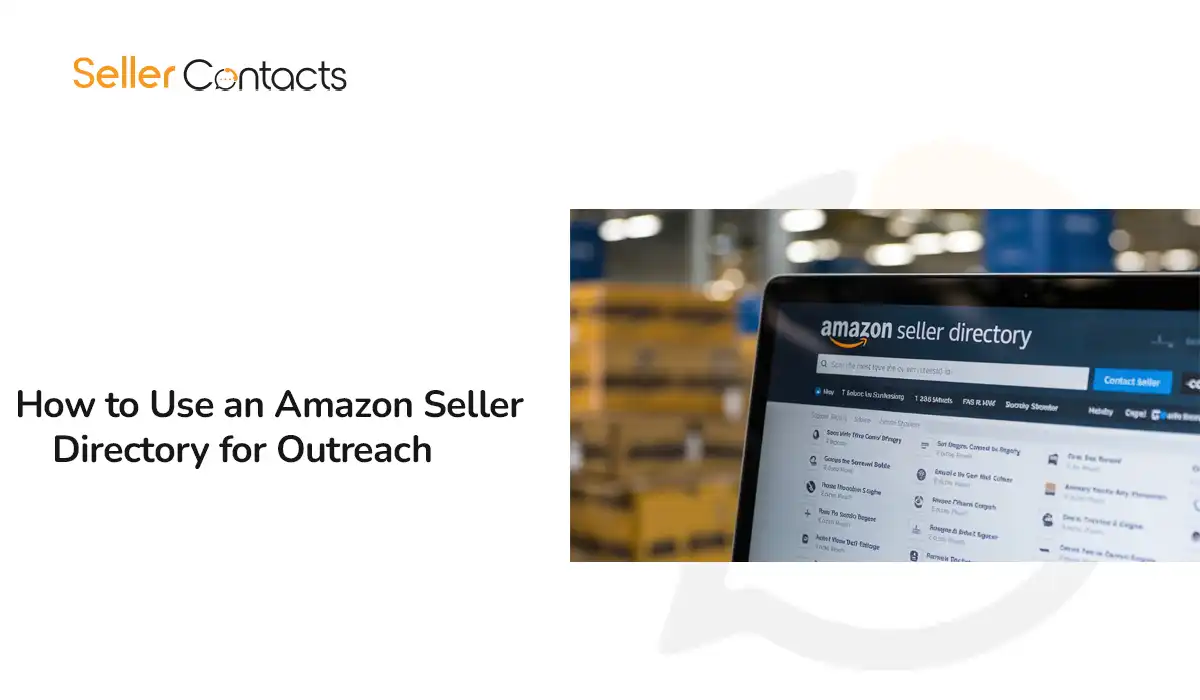
If you’re looking to connect with Amazon sellers for business opportunities, an Amazon seller directory can be a game-changer. These directories provide a wealth of information about sellers, making it easier to target the right audience for partnerships, product supply, or services. In this guide, we’ll explore how to effectively use an Amazon seller directory for outreach, ensuring you achieve your goals with precision and efficiency.
Using an Amazon seller directory offers several distinct advantages:
For example, a digital marketing agency successfully used an Amazon seller directory to connect with 50 medium-sized sellers in the home goods category. Out of these, 20 sellers signed contracts for Amazon PPC campaigns, boosting the agency’s revenue by 30%.
Selecting the right directory is crucial for success. Here are the key factors to consider:
For businesses looking for a truly comprehensive and reliable seller database, SellerContacts is the ultimate solution. It’s a global database enriched with 49+ data points, covering critical seller information from platforms like Amazon, Shopify, and other e-commerce giants.
What sets SellerContacts apart is its unparalleled accuracy, boasting an impressive 99%+ reliability, thanks to regular updates from over 30 verified sources. This makes it an invaluable resource for tailored outreach efforts, ensuring you connect with the right sellers at the right time.
Key features of SellerContacts include:
Many businesses consider SellerContacts an investment in outreach success due to its rich data and versatility. Whether you’re a wholesaler, agency, or brand, this tool helps you make informed, data-driven connections with sellers, maximizing your outreach efficiency.
Begin by identifying what you aim to achieve. Are you looking to:
Clear goals ensure your outreach efforts are focused and purposeful.
Choose a directory based on your niche and budget. For example, if you’re targeting sellers in the electronics category, a niche-specific directory like SmartScout might be ideal. On the other hand, if you’re exploring multiple categories, a general directory like JungleScout would be better suited.
Efficient use of filters is key to narrowing down your search. Most directories allow filtering by:
For example, if you’re targeting sellers in the pet supplies category with annual sales of over $500,000, a well-filtered search ensures you only contact high-potential leads.
Before reaching out, dive into seller profiles to understand their needs. Check:
This information helps you tailor your message, increasing the likelihood of a positive response.
Personalization is critical. Sellers are bombarded with generic pitches daily, so stand out by showing you’ve done your homework. Mention specifics, such as their product category or recent milestones, and clearly explain how your proposal benefits them.
For example:
Subject Line: “Boost Your Sales on Amazon with Our Tailored Solutions!”
Message:
“Hi [Seller Name],
I came across your [Product Name] and was impressed by its high rating and excellent customer reviews. At [Your Company Name], we specialize in helping Amazon sellers like you enhance visibility and drive sales through targeted advertising strategies.
Would you be open to a quick chat to explore how we can support your goals for Q1?
Best regards,
[Your Name]”
To maximize the impact of your outreach efforts, it’s essential to follow proven strategies. A thoughtful approach ensures your messages resonate with sellers and leads to meaningful connections.
While it might be tempting to contact as many sellers as possible, this shotgun approach often backfires. Instead, prioritize sellers who align closely with your goals and offer the most potential for a mutually beneficial relationship.
For instance, if you’re a wholesaler targeting the kitchenware niche, focus on sellers with a strong presence in that category rather than reaching out to generalists.
Although email is the primary mode of outreach, supplementing it with LinkedIn messages or phone calls can significantly improve your success rate. Many directories provide contact options, and a multi-channel strategy helps ensure your message gets noticed.
Use CRM tools or simple spreadsheets to monitor your outreach campaign. Record details like:
By analyzing this data, you can refine your approach. For example, if your email response rate is below 10%, it might indicate that your messaging needs improvement.
The goal of outreach shouldn’t just be about closing a deal but also establishing long-term relationships. Follow up regularly, celebrate their milestones (e.g., hitting a new sales target), and offer value beyond your initial proposal. This fosters trust and opens doors for future opportunities.
Instead of treating all sellers equally, segment them based on factors like product categories, sales volume, or geographic location. This allows you to tailor your messaging and offer specific value propositions.
For example, sellers in the fashion category might benefit from marketing solutions focused on Instagram, while electronics sellers might need help with logistics optimization.
Rather than starting with a hard sell, provide something valuable upfront. This could be a free audit of their Amazon listing, a complimentary consultation, or access to an exclusive report about their niche. Sellers are more likely to engage when they see immediate benefits.
Consider partnering with influencers in your target niche to amplify your outreach efforts. An endorsement from a trusted figure can make sellers more willing to engage with you.
An Amazon seller directory is a powerful tool for targeted outreach, enabling businesses to connect with the right sellers efficiently. By following best practices, avoiding common mistakes, and leveraging advanced techniques, you can maximize the success of your campaigns. Whether you’re a wholesaler, service provider, or brand seeking partnerships, a thoughtful approach to using these directories can yield exceptional results.