

The e-commerce world is vast and ever-expanding, with Amazon reigning as a significant player. As buyers and sellers navigate this enormous marketplace, a crucial tool has emerged to streamline operations: the Amazon seller directory. But what exactly is it, and how does it function?
In this article, we’ll explore the intricacies of what an Amazon seller directory is, how it works, and why it has become indispensable for e-commerce businesses.
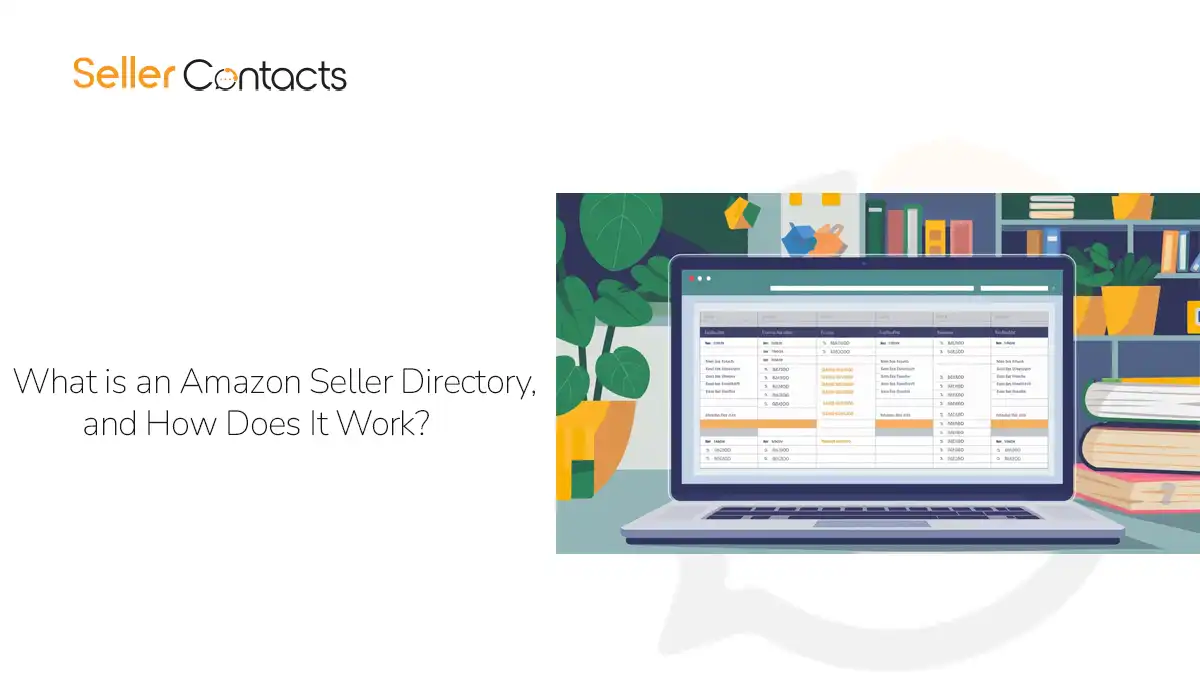
An Amazon seller directory is a centralized resource designed to list sellers and service providers operating within the Amazon marketplace. Think of it as a modern-day business directory but tailored specifically to Amazon. It includes essential details such as seller names, locations, product categories, performance metrics, and sometimes even customer reviews.
These directories cater to a wide audience. Brands or businesses searching for reliable Amazon sellers can use them to identify potential partners. Individual sellers, on the other hand, can utilize these directories to find third-party services such as marketing agencies, fulfillment centers, or listing optimization specialists.
There are two primary types of Amazon seller directories:
These tools are equally valuable for both buyers and sellers, creating a seamless way to connect and grow in the competitive Amazon marketplace.
The functionality of an Amazon seller directory is defined by several features designed to make it easy for users to find what they’re looking for.
The most critical aspect of any seller directory is the depth of information it provides. Listings usually include:
Directories are built to save time. Most offer search filters that allow users to narrow down results based on product category, geographic location, or seller rating. For example, if a brand is searching for high-rated sellers specializing in organic skincare products, a few clicks will generate tailored results.
Many seller directories prioritize listing verified sellers. This builds trust and ensures buyers are working with legitimate businesses, reducing the risk of fraud.
Some directories go beyond listing sellers by including service providers such as marketing experts, shipping solutions, and photography specialists, all of which are critical to optimizing a seller’s presence on Amazon.
An Amazon seller directory operates as a matchmaking tool, connecting buyers and sellers based on mutual needs. Here’s a closer look at how it works:
Most directories gather information from Amazon’s public APIs, seller platforms, or manual curation. Advanced directories often have partnerships with Amazon or third-party services to maintain updated and accurate listings.
Users start by accessing the directory, either for free or through a paid subscription. They can search for specific sellers or services using filters such as location, product niche, or performance metrics. Once they identify a potential match, they can reach out to sellers directly through contact details provided in the listing.
For example, a retailer seeking wholesale electronics sellers might search for high-volume suppliers in their region and immediately connect with verified sellers.
Many seller directories operate on a freemium model, offering basic information for free while charging for advanced features like premium search filters, seller contact details, or detailed performance analytics. Some directories are entirely free, but their data may not be as comprehensive or reliable.
The utility of a seller directory extends to multiple stakeholders, making it a win-win for all parties involved.
While Amazon seller directories offer numerous advantages, they also come with certain drawbacks. Understanding these limitations can help users make more informed decisions when choosing a directory.
One of the most significant challenges with any directory is the potential for outdated or inaccurate information. Not all directories have real-time data updates, and some sellers may no longer be active or have changed their product offerings. For example, a seller who has switched from selling household goods to electronics might still be listed under the wrong category, leading to confusion.
Buyers relying on this information must take extra care, cross-checking directory details with seller profiles on Amazon itself or even reaching out to the seller directly to confirm their offerings.
Not all seller directories have strict verification processes. While some directories go to great lengths to ensure the reliability of their listed sellers, others might have more lenient procedures, allowing unverified or questionable sellers to slip through. This opens the door to potential scams or fraud. It’s essential for users to look for directories that offer clear transparency about their verification process or, at the very least, provide a way to verify the accuracy of listings.
Many Amazon seller directories operate on a subscription model, where users pay for access to premium features. These fees can range from a few dollars per month to hundreds, depending on the level of access and features offered. For small businesses or new sellers, these fees might seem steep, especially when they are just starting out. While some directories offer free versions, they often come with limited functionality, which might not be enough for more advanced users looking for detailed analytics or highly filtered search results.
Thus, potential users should weigh the costs against the benefits before committing to a paid plan, especially considering the availability of free alternatives.
SellerContacts is a premium database that provides e-commerce seller leads across platforms like Amazon, Shopify, and other online marketplaces. It offers a wealth of information on thousands of active sellers, making it an invaluable tool for businesses looking to connect with potential clients or partners.
The combination of rich, detailed information, regular updates, and global coverage makes SellerContacts the #1 seller database in the world. Businesses across the e-commerce spectrum, from small startups to large corporations, can rely on SellerContacts to help them find new sellers, evaluate potential partners, or enhance their market research.
Whether you’re looking to connect with Amazon sellers, Shopify entrepreneurs, or sellers from any other platform, SellerContacts provides all the information you need to succeed. Its accuracy and extensive data points set it apart from other services, ensuring you get the best possible leads for your business.